Wake
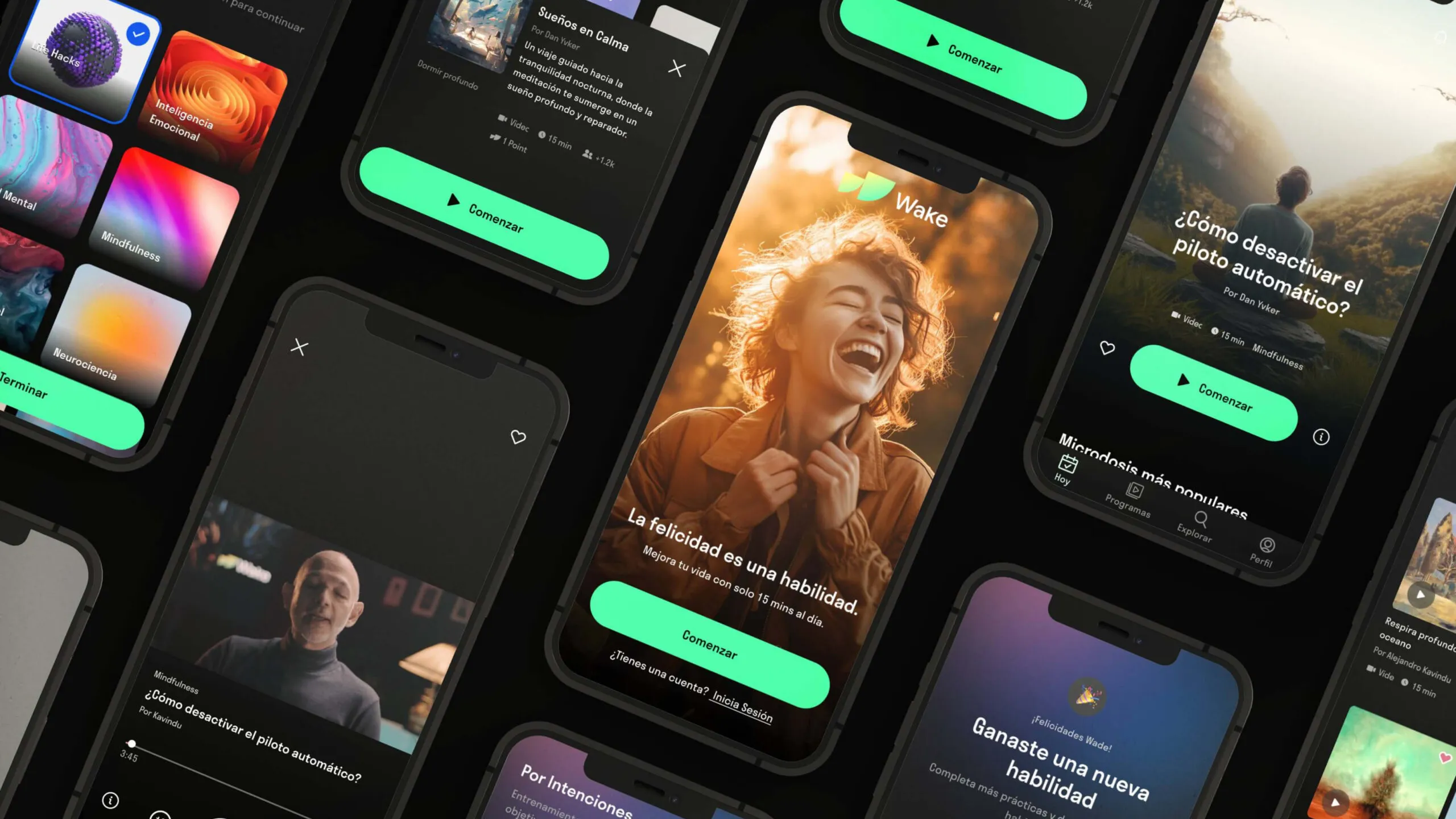
A mental wellness platform built from strategy to market launch in four months: mobile apps for iOS and Android, an HR dashboard, and a scalable API for a pre-seed startup entering the B2B2C wellness space.
The Bet
Marcelo Planchart had a vision for a mental wellness platform that would serve both employees and the HR teams responsible for their wellbeing. He needed a mobile app for iOS and Android, an HR dashboard for administrators, and a content management system, all built from a pitch deck to a launched product in four months.
As a pre-seed company, every dollar mattered. Wake couldn’t afford a six-month discovery phase, an engagement that ran over budget, or the kind of scope creep that turns a focused MVP into a bloated v1 that never ships.
The wellness space is deeply personal. The product had to feel warm, trustworthy, and thoughtfully designed. A technically competent but emotionally flat experience would fail regardless of how well it was built.
The Complexity
Wake wasn’t building one product. It was building two, connected by a shared platform:
- B2B2C model: a consumer-facing mobile app distributed through corporate HR departments. Two audiences, two experiences, one platform.
- Content-driven product: guided meditation, breathing exercises, wellness check-ins, and stress management programs. The content architecture had to scale from dozens to thousands of sessions.
- Multi-platform delivery: iOS, Android, and web simultaneously, all sharing a single API and backend.
- Pre-seed constraints: four months to go from concept to launched product. Not a prototype. A product that would generate the engagement data needed to raise the next round.
The Thinking
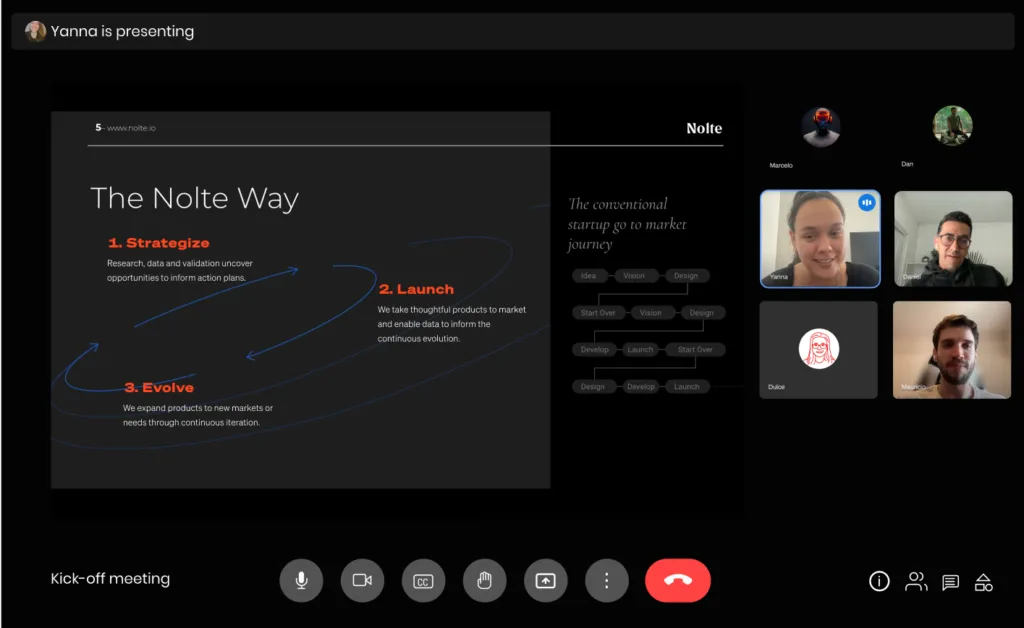
We started with six weeks of strategy, longer than our typical engagement because Wake’s founders needed help defining not just the technical architecture, but the product itself.
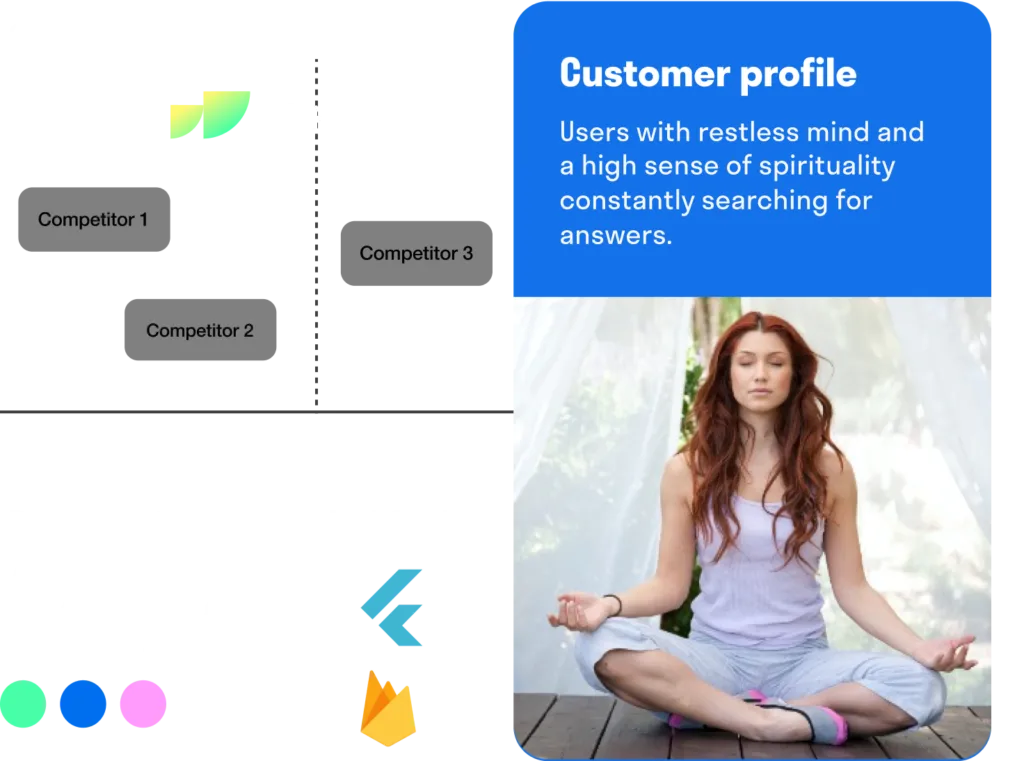
We worked through user personas, content strategy, engagement models, and the specific HR workflows that would make Wake valuable to employers, not just employees. We mapped the competitive landscape and identified where Wake could differentiate, not through feature volume, but through a thoughtfully designed daily experience.
NolteOS decomposed the engagement into 62 deliveries across three platforms. The MVP build was forecasted at four months. The subsequent iteration phase was structured as a rolling delivery plan, with new features scoped and forecasted in batches as Wake learned from real user behavior.
The key decision was starting with mobile. The employee experience lived in the phone, not the browser. We built iOS and Android simultaneously using React Native, then layered the HR dashboard as a web application that consumed the same API. This sequencing meant Wake could get the core product into users’ hands faster while the admin tools followed.
The Build
With the strategic foundation right, NolteOS translated those decisions into shipped product. 62 deliveries, each tracked and forecasted in real time.
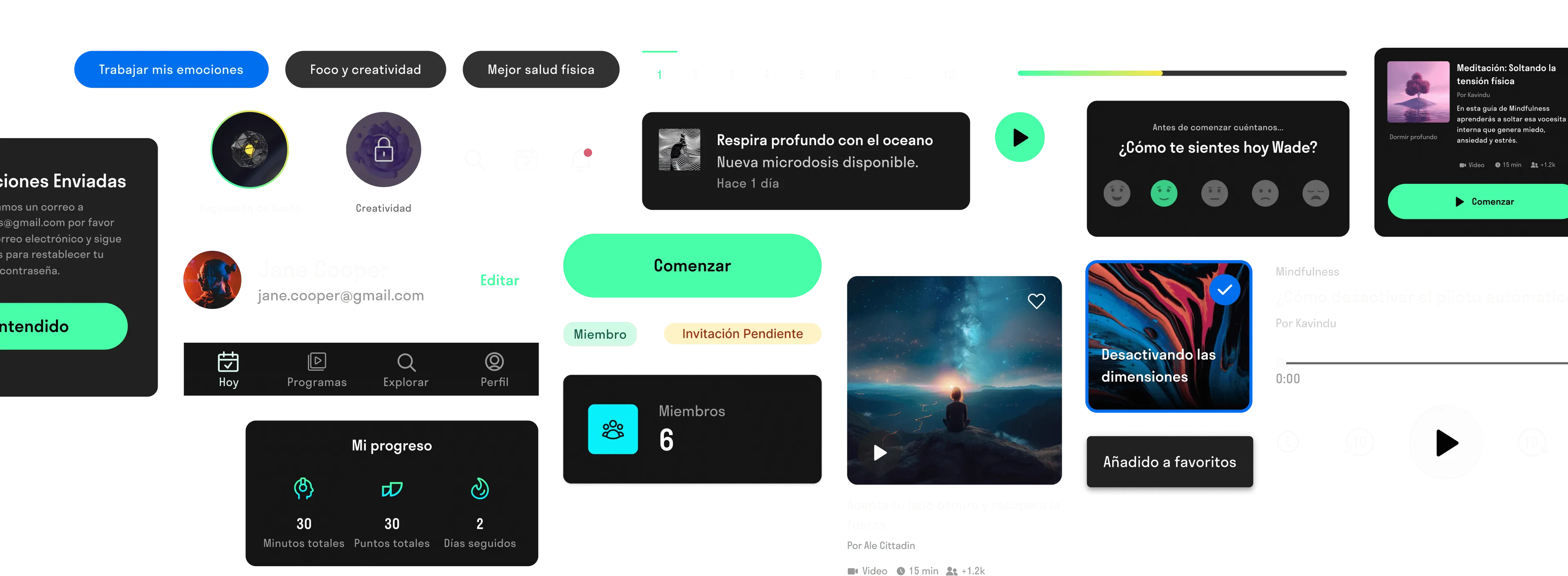
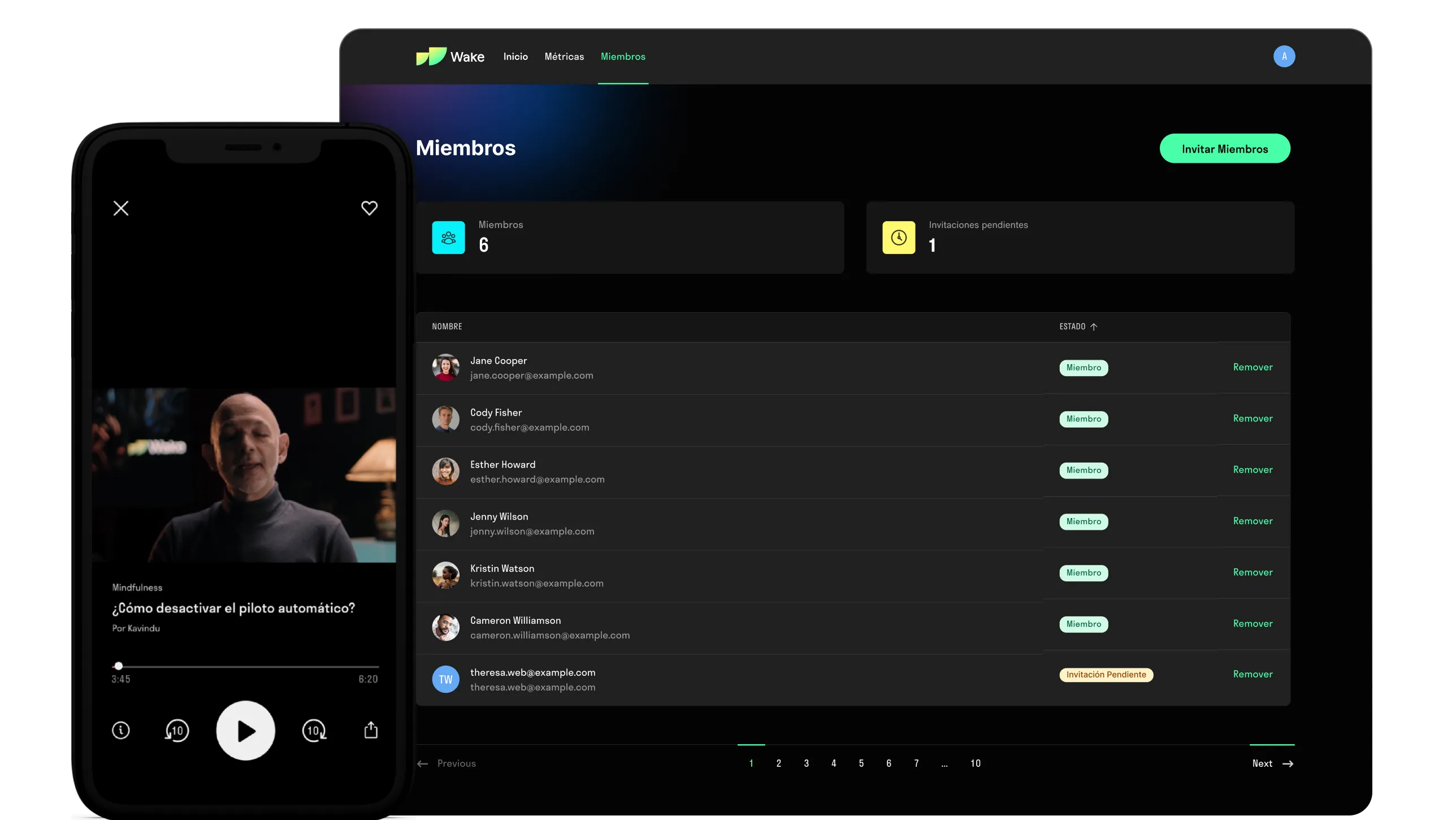
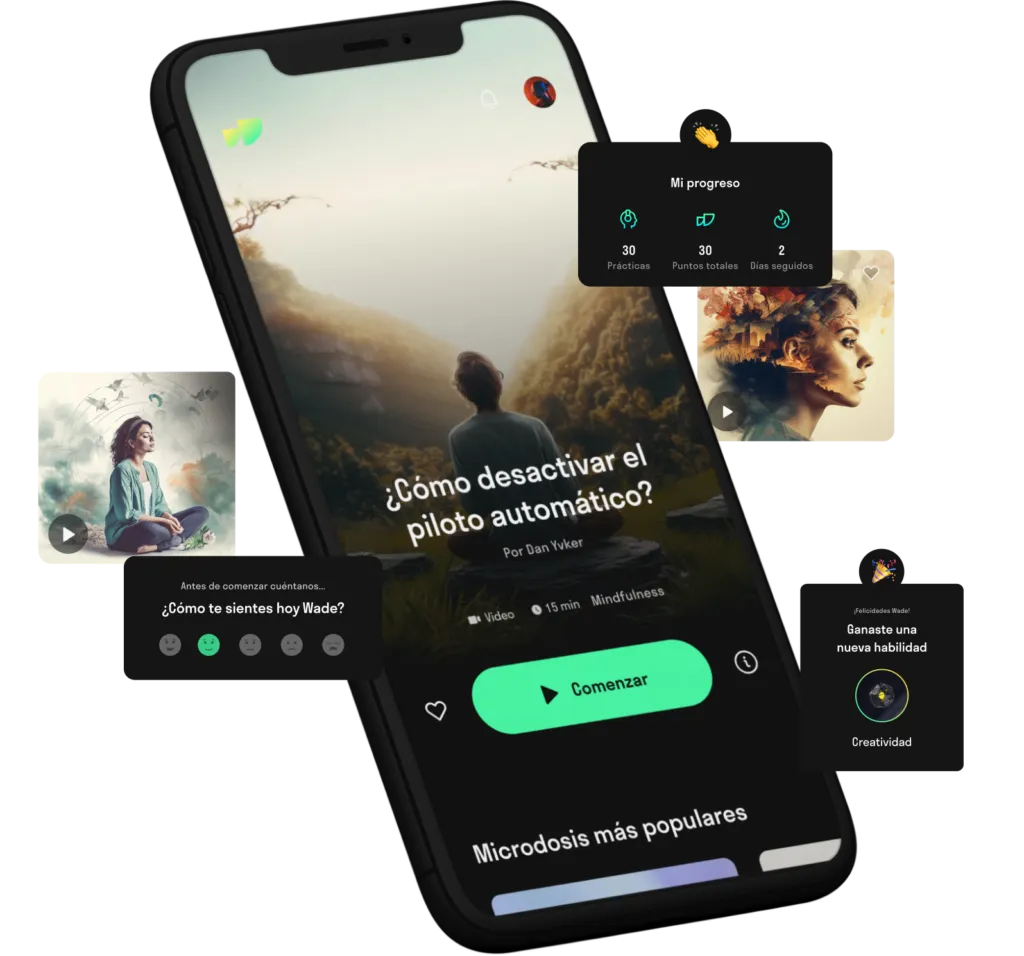
Guided Wellness Sessions: An immersive content player for guided meditation, breathing exercises, and wellness check-ins. Designed for daily use with smooth animations, offline support, and a content architecture that scales.
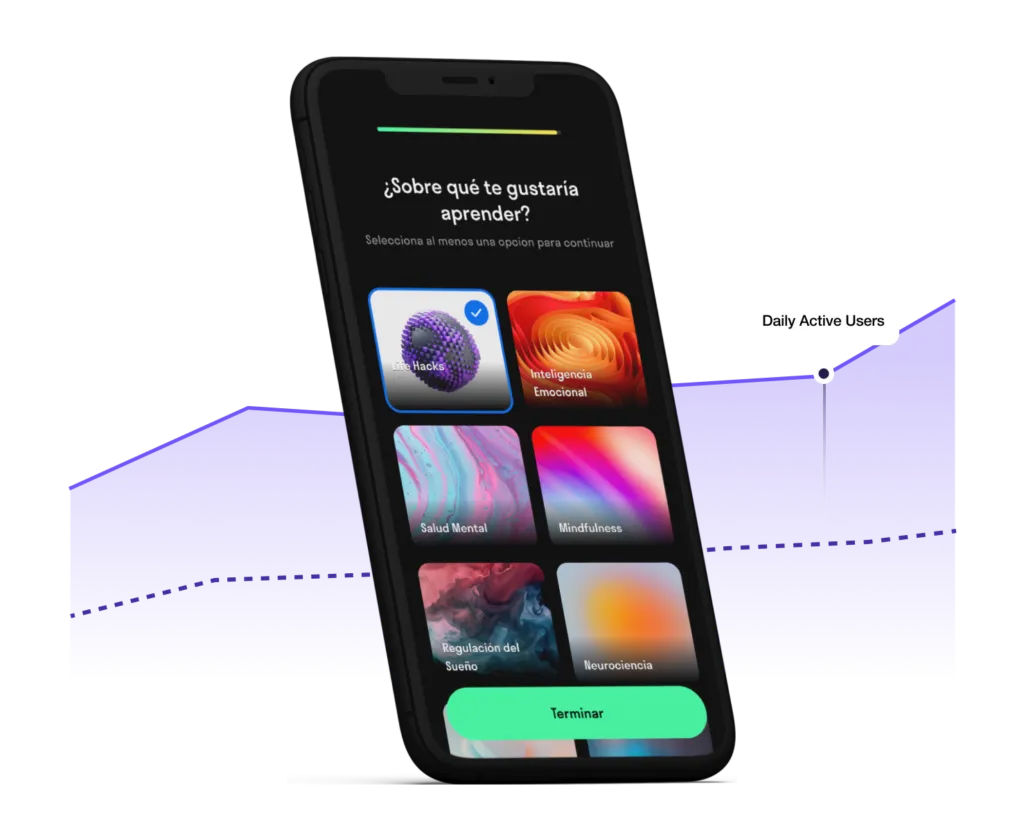
Employee Onboarding: A personalized onboarding flow that assesses baseline wellness, recommends initial content, and sets engagement goals. Built to feel like a conversation, not a form.
HR Admin Dashboard: Web-based administration interface built with Next.js and Tailwind, providing team-level wellness analytics, program management, and engagement reporting. Designed to give HR leaders actionable data without compromising individual employee privacy.
Content Management System: Backend system built on NestJS and TypeScript for Wake’s content team to create, schedule, and manage wellness programs. Supports multiple content types (audio, video, text guides) with metadata tagging for the recommendation engine.
Push Notification Engine: Intelligent notification system that drives daily engagement without creating notification fatigue. Timing, frequency, and content are personalized based on user behavior and preferences.
Progress Tracking and Streaks: Personal wellness dashboard with streak tracking, session history, and progress visualization. Built to reinforce habits through positive feedback loops rather than guilt mechanics.
The Proof
Across 62 deliveries over 18 months, our forecast accuracy was 94%. The average cycle time was 5.5 days, slightly higher than our portfolio average, reflecting the design-intensive nature of wellness product deliveries where UX review adds meaningful time to the cycle.
95% of deliveries shipped on or before their forecasted date. The 5% that shifted were primarily content integration deliveries where the content itself wasn’t ready when the technical delivery was, a dependency on Wake’s content production timeline, not on our development process.
The MVP build completed in 16 weeks, matching the NolteOS forecast. The iteration phase continued for 12 months with the same delivery model: new features scoped in batches, each one priced before work begins.
The Partnership
Wake launched across all three platforms on schedule. The founding team went to investors with a live product, real user engagement data, and a clear roadmap, not a prototype and a hope.
The predictable delivery model gave Wake something most pre-seed startups don’t have: financial clarity. They knew their burn rate against development with precision. They could tell investors exactly how much runway they needed and exactly what product milestones that runway would cover.
Jeffrey Nolte became an investor in Wake, a signal of conviction in both the product and the team. That kind of alignment doesn’t happen when the relationship is transactional. It happens when the partnership is real.
Eighteen months in, the product evolved significantly from the original MVP. But the delivery model didn’t change. Every feature was still scoped, priced, and forecasted before work begins. Wake’s founders spent their time on product strategy and fundraising, not managing a development team or worrying about surprise invoices.

“We are so proud of what we have built together, Nolte's tireless efforts have helped us achieve a huge milestone.”